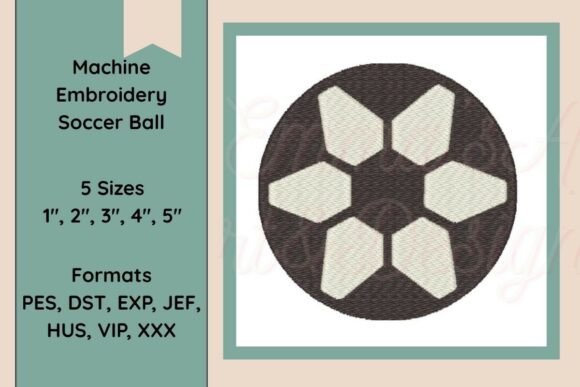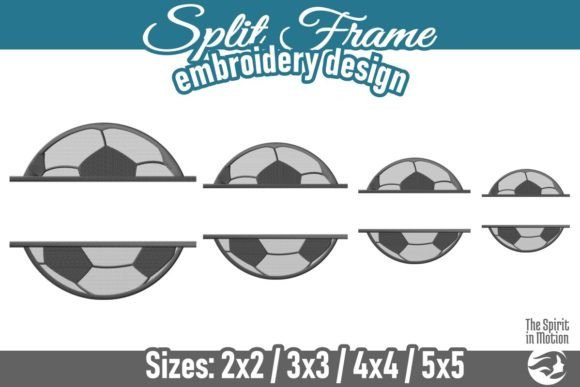
Split Frame Soccer Ball - Filled
A Designer’s First Stitch: Warm, Playful, and Surprisingly Versatile
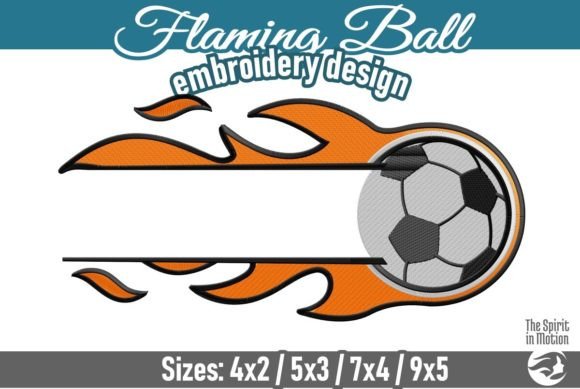
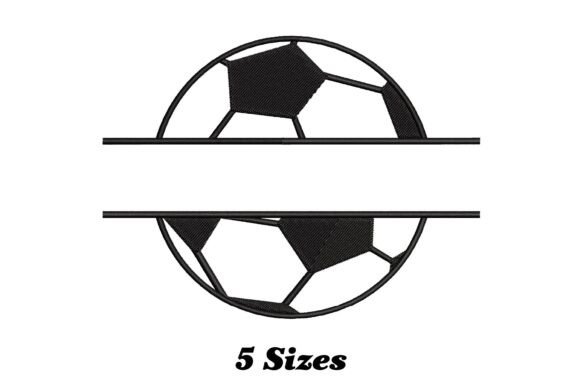
As an embroidery designer who’s stitched over 3,000 custom orders—from newborn onesies to wedding vow books—I opened the Split Frame Soccer Ball - Filled file with quiet curiosity. No hype, no filters—just me, my hoop, and a scrap of cotton twill. What greeted me wasn’t just another sports motif. It was a gentle, balanced composition: clean negative space framing a softly filled soccer ball with subtle stitch texture—not too dense, not too sparse. It feels handmade without sacrificing polish, playful without tipping into cartoonish, and modern without losing timelessness. That rare middle ground where baby embroidery meets wedding gift appeal—and yes, it works beautifully for both.
Where This Design Truly Shines (and Who’ll Love It)
The Split Frame Soccer Ball - Filled isn’t just “sports-themed.” It’s emotionally flexible. A new parent sees nostalgia—not competition. A couple planning a backyard wedding sees shared joy, not team rivalry. And Etsy sellers? You’ll spot immediate potential in listings that say “personalized nursery pillow” or “custom soccer mom apron” without needing extra copy.
- Baby embroidery: Perfect for gender-neutral blankets, milestone bibs, or nursery wall hangings—its open frame keeps stitching soft against delicate skin.
- Wedding gift: Embroider it onto linen napkins, monogrammed tote bags, or a keepsake quilt square for the groom’s side of the family.
- Personalized towel & kitchen goods: The design breathes on terry cloth—no puckering if stabilized well. Ideal for embroidered towel sets sold at craft fairs or boutique gift shops.
- Pillow covers & blanket embroidery: Its centered symmetry anchors any surface. Pair it with a name or date in a clean sans-serif font for instant heirloom energy.
- Etsy seller & small shop product: Because it’s a digital embroidery file with broad visual appeal, it pairs effortlessly with printable mockups—boosting buyer engagement before a single stitch is made.
Smart Placement Matters: Know When (and Where) to Pause
This design shines brightest when matched thoughtfully to fabric and function. Here’s where I recommend extra care:
- Small lettering or fine details: The “filled” element is intentionally generous—but avoid adding tiny text inside the frame unless you’ve tested it at your machine’s minimum legible size.
- Textured fabric: Thick terry, bouclé, or heavily napped fleece can mute stitch definition. Use cutaway stabilizer + reduced top tension to keep the ball shape crisp.
- Stretchy baby clothes: While lovely on knit onesies, always test on scrap first—especially near seams or curved hems where distortion creeps in.
- Dark fabric: The fill looks rich on navy or charcoal, but confirm thread color contrast. A light gray fill may disappear; opt for ecru or off-white instead.
- Frequent-wash items: Towels, bibs, and aprons need durability. Reinforce with tear-away + lightweight cutaway combo, and verify stitch density supports long-term wear.
Why Customers Trust What They Can *Feel*
In handmade product markets, perceived value isn’t just about aesthetics—it’s about confidence. When someone buys a personalized gift, they’re buying intention, care, and quiet craftsmanship. The Split Frame Soccer Ball - Filled delivers that instinctively: its balanced proportions signal professionalism, its open frame invites personalization (a name, date, or coordinating thread), and its moderate stitch density means it won’t overwhelm delicate fabrics—or your embroidery machine.
Photograph it well—on a folded baby blanket, draped over a wooden chair, or stitched onto a natural linen tote—and watch buyer engagement rise. Why? Because it reads as *designed*, not downloaded. That distinction builds trust fast, especially for Etsy sellers and local gift shops competing with mass-produced alternatives.
Practical Embroidery Notes from My Hoop to Yours
Before stitching your first customer order, here’s what I do—and recommend you do too:
- Test on scrap fabric that matches your final product’s weight, weave, and stretch.
- Check thread color contrast across light and dark fabric swatches—especially if selling bundles with fabric options.
- Confirm hoop size compatibility with your machine and intended product (e.g., a 4x4 hoop fits most pillow covers; larger hoops suit blankets).
- Review stitch density—not just for appearance, but for washability and drape. Overly dense fills stiffen towels; too sparse loses definition.
- Use proper stabilizer based on fabric: tear-away for stable wovens, cutaway for knits, and water-soluble for delicate lace overlays.
- Compare light and dark fabric mockups in natural light—some fills shift tone dramatically under flash or shadow.
- Check small details after stitching: Are edges smooth? Does the frame hold its shape? Any stray jumps or trims?
- Confirm commercial licensing before listing finished products for sale—this is non-negotiable for Etsy sellers and small business owners.
Final Thought: More Than a Soccer Ball—It’s a Story Starter
The Split Frame Soccer Ball - Filled doesn’t shout. It invites. It’s the kind of machine embroidery design that sparks conversation—a dad recognizing his childhood jersey in the curve of the ball, a bride smiling at how it echoes her partner’s favorite pastime, a grandparent tracing stitches on a baby blanket and remembering their own first kick. For embroidery makers, gift shop owners, and digital product sellers, it’s not just another Sports embroidery file. It’s a thoughtful, adaptable, quietly confident tool for building emotional connection—one personalized gift at a time.