Sewing Embroidery Machine SVGs
A Seasonal Designer’s First Look: Warm, Nostalgic, and Gift-Ready
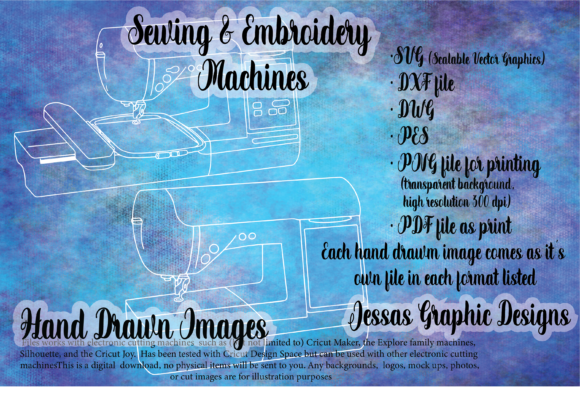
As an embroidery designer who’s built six holiday collections for Etsy shops and craft fairs, my first impression of Sewing Embroidery Machine SVGs was immediate: it feels like a quiet celebration of craft itself—cozy, intentional, and gently festive. The design isn’t loud or glittering; instead, it carries a nostalgic, handmade warmth—think vintage sewing labels meets modern minimalism. It leans elegant but approachable, with clean outlines and balanced negative space that invites customization. There’s no overwhelming detail or fragile linework, which tells me it’ll translate well across fabric types and seasonal product categories—from baby onesies to linen aprons.
Where This Design Shines in Holiday Product Planning
I tested Sewing Embroidery Machine SVGs across real seasonal use cases—and it consistently elevated perceived value. On soft cotton sweatshirts? It reads as premium, especially when paired with tonal thread and a subtle satin stitch border. As a tote bag design, it adds quiet charm to gift bundles—think “handmade with love” packaging for cookie tins or candle sets. For kitchen towel embroidery, the scale holds up beautifully on standard 12" x 18" linens without crowding. And on pillow covers or embroidered patches, it becomes a signature motif—ideal for family matching items (think coordinating aprons + oven mitts + tea towels).
For Etsy sellers and small shop owners, this design works exceptionally well in listings where storytelling matters. A simple printable mockup showing the design stitched on a cream linen pillow cover beside a handwritten tag (“Stitched with care for your holiday table”) builds instant emotional resonance. It also performs strongly in social media previews—clean lines photograph crisply against neutral backdrops, and its craft-themed subject matter aligns naturally with holiday hashtags like #HandmadeHoliday or #SewTheSeason.
Real-World Considerations: Where to Use with Intention
While Sewing Embroidery Machine SVGs is versatile, it’s not universally frictionless—and that’s where practical designer judgment comes in. On thick towels or heavy canvas totes, I recommend testing stitch density first: dense fills may pucker unless stabilized properly. For dark fabric, avoid ultra-light thread colors unless you’re adding underlay—we found light ecru or oatmeal thread gave the cleanest read on navy or charcoal. And on stretchy garments like ribbed knit sweatshirts, a lightweight cutaway stabilizer made all the difference in maintaining shape after washing.
Be mindful with small hoop sizes: if your smallest hoop is 4" x 4", double-check that key elements (like machine dials or thread spools) remain legible at that scale. Tiny lettering—should any be included—isn’t present here, which is a win for clarity and durability. That said, always review the actual embroidery file before digitizing: confirm whether layered details (e.g., shadow stitching or textured fill) require separate color stops, and whether the design includes optional simplifications for quick-turn orders.
How This Design Strengthens Seasonal Appeal and Buyer Trust
Holiday shoppers don’t just buy products—they buy meaning, memory, and intention. Sewing Embroidery Machine SVGs taps directly into that emotional current. It signals craftsmanship, thoughtfulness, and time-honored skill—qualities that make a personalized gift feel more meaningful than mass-produced alternatives. When used on apparel decorators’ holiday collections or small-batch handmade gift sets, it quietly reinforces brand consistency: your shop isn’t selling decor—it’s curating moments.
Visually, it’s instantly recognizable yet never cliché. Unlike snowflakes or reindeer motifs that saturate December feeds, this design stands out in crowded marketplaces while still feeling unmistakably seasonal. Customers scrolling Etsy or Instagram pause longer—not because it’s flashy, but because it feels *true*. That builds trust. And trust converts: buyers are more likely to add a second item (“I’ll get the matching pillow cover too”) or opt for upgraded packaging when the core design feels cohesive and considered.
Practical Designer Notes for Holiday Production
- Test thread colors on both light and dark fabric—a warm taupe reads rich on ivory linen but disappears on black; switch to charcoal gray or deep burgundy for contrast.
- Check stitch density before scaling: high-density fills may need reduced density or alternate fill patterns for towels and napkins.
- Confirm hoop size compatibility with your most-used machines—especially if planning sweatshirt embroidery or cap embroidery (though curved surfaces require extra stabilization).
- Use proper stabilizer: tear-away for stable wovens, cutaway for knits and home decor fabrics, and water-soluble for delicate layers or appliqué overlays.
- Create realistic mockups using actual fabric swatches—not just digital previews—to assess how texture affects detail visibility.
- Review small details after stitching: check alignment of machine dials or thread paths under natural light; minor tweaks prevent rework during peak order season.
- Plan matching color palettes across product lines—e.g., oatmeal thread on cream towels, moss green on olive aprons, terracotta on clay-toned pillow covers.
- Confirm commercial licensing before selling finished seasonal products—since this is a digital embroidery file intended for electronic cutting machines, verify usage rights for resale of physical goods.
Final Thought: A Quiet Anchor for Your Holiday Collection
Sewing Embroidery Machine SVGs won’t shout—but it will hold space. In a season flooded with noise, trend-chasing, and overdesigned motifs, this seasonal embroidery piece offers grounded elegance. It fits seamlessly into Crafts-focused shops and Graphics-driven product lines alike, bridging the gap between functional tool and heartfelt symbol. Whether you’re launching a limited-edition embroidered patch series, refreshing your home decor line, or building your first holiday bundle for Etsy, this design earns its place—not as filler, but as foundation.