Coquette Soccer Bow
First Impression: Playful, Sporty, and Instantly Recognizable
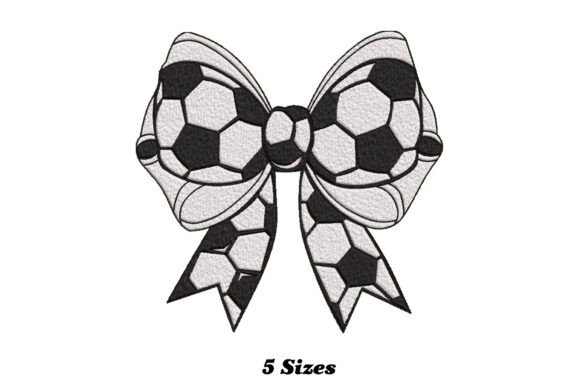
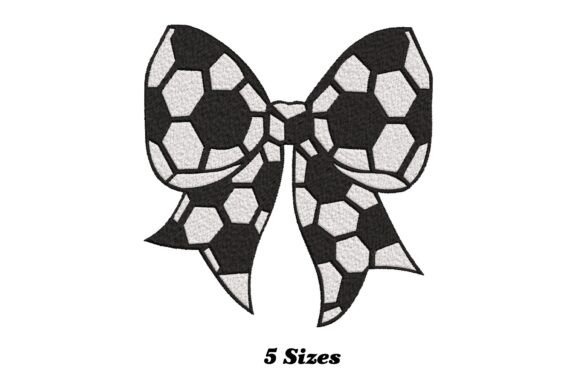
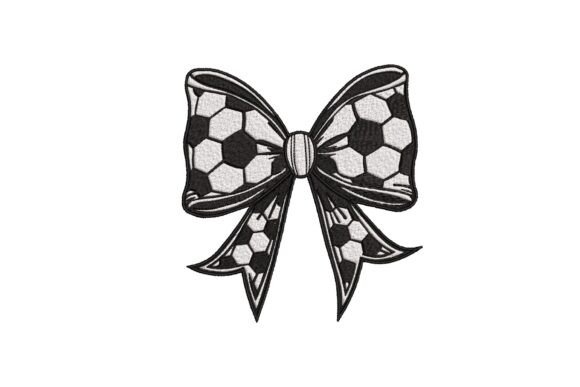
As an embroidery designer who’s prepped over 200 craft fair booths—from Portland bazaars to Nashville maker markets—I opened the Coquette Soccer Bow file expecting charm with edge. And it delivers. The title alone signals duality: “coquette” hints at flirty, feminine detail; “soccer bow” grounds it in movement, energy, and team spirit. It’s not a literal soccer ball or jersey—it’s a stylized bow shaped like a stitched soccer motif, likely with subtle stitching lines, soft curves, and balanced negative space. That makes it bold enough for sports lovers but cute enough for gift buyers browsing handmade home goods. It leans modern and playful—not rustic, not minimalist, not overly decorative—but feels premium in execution.
Where Coquette Soccer Bow Shines on Craft Fair Products
In my booth setup, I prioritize pieces that stop people mid-aisle. The Coquette Soccer Bow excels on:
- Tote bag design: Centered on a natural canvas tote or embroidered along the strap—it reads clearly from six feet away. Buyers instantly grasp the theme without reading a tag.
- Apron embroidery: Positioned above the pocket or centered on the bib, it adds personality to functional kitchen wear—especially for coaches, PTA volunteers, or soccer moms shopping for themselves.
- Tea towel embroidery: Works beautifully near the hem or corner. On linen-cotton blends, the stitch definition pops without overwhelming the fabric’s texture.
- Embroidered patch: This is where Coquette Soccer Bow becomes versatile. Iron-on or sew-on patches let customers personalize backpacks, denim jackets, or kids’ gear—making it a top seller for repeat buyers.
- Pillow cover & small pouch: As a focal point on 12"–16" square covers or zippered fabric pouches, the design balances scale and detail. It feels giftable, boutique-ready, and distinctly handmade.
It’s less effective on curved cap surfaces unless resized and re-digitized—standard versions often distort on crown seams. And while it reads well on light fabrics, avoid placing it on heavily textured towels or dark fleece without testing thread contrast first.
Production Realities: What Makes Coquette Soccer Bow Booth-Ready
A great machine embroidery design isn’t just pretty—it’s predictable. Here’s what I check before cutting 50 tea towels:
- Clarity at a glance: Customers don’t pause to decode symbols. Coquette Soccer Bow uses clean outlines and intentional spacing—no tiny lettering or micro-details that vanish in person or online.
- Scalability: It works both as a 3" accent (e.g., on a keychain pouch) and a 5.5" statement (e.g., on a market bag). That flexibility means one digital embroidery file supports multiple small shop product SKUs.
- Photography performance: The shape and contrast translate cleanly to Etsy listings and printable mockups. No excessive fill stitches mean fewer shadows or glare in flat-lay shots.
- Batch production friendliness: Moderate stitch density—neither sparse nor overloaded—means consistent results across machines and stabilizer types. Fewer restarts, less thread breakage, faster turnarounds.
Careful-Use Notes Every Embroidery Designer Should Know
Even charming designs have limits. With Coquette Soccer Bow, watch for:
- Dense stitch areas near bow loops—these can pucker on lightweight cotton or shift on stretchy knits. Use cutaway + tear-away combo stabilizer for best hold.
- Fabric texture interference—especially on terry cloth towels. Test on your exact towel brand: high pile can obscure fine curves.
- Dark fabric contrast—verify thread colors visually, not just on screen. A pale yellow or mint green bow may disappear on navy or charcoal.
- Small sizes under 2": Bow proportions compress, and stitch definition blurs. Stick to ≥2.5" for patches and ≤4.5" for caps if adapting.
Why Coquette Soccer Bow Strengthens Your Booth & Brand
This isn’t just another embroidery file—it’s a conversation starter. At craft fairs, I’ve watched parents point to the Coquette Soccer Bow on a pillow cover and say, “That’s my daughter’s team!” That emotional hook drives sales faster than price tags. It elevates perceived value: hand-stitched sportiness feels intentional, not generic. For Etsy sellers, it supports cohesive branding—pair it with coordinating monograms or minimalist soccer motifs to build a recognizable design assets library. And because it bridges sports and everyday lifestyle, it fits seamlessly into booths selling handmade products for home, kitchen, or personal style—no niche pigeonholing required.
Designer-to-Designer Checklist Before You Stitch
Before cutting your first yard of fabric, do this:
- Test the Coquette Soccer Bow on scrap fabric matching your final product—same weight, weave, and color.
- Check thread contrast in natural light—not just under your hoop lamp.
- Review spacing between bow elements: Are loops distinct? Does negative space breathe?
- Confirm hoop size compatibility—some versions may require 5x7" or larger.
- Inspect stitch density: Look for overlapping fills or thin satin edges prone to fraying.
- Choose stabilizer based on fabric: Cutaway for knits, tear-away for stable wovens, fusible for patches.
- Create at least one real mockup—not just a digital preview—to assess drape, scale, and tactile appeal.
- Compare how it looks on white, cream, navy, and heather gray fabrics—thread behavior changes dramatically.
- Verify commercial licensing status before selling finished products—this is non-negotiable for commercial embroidery.
The Coquette Soccer Bow isn’t a trend-chasing gimmick. It’s a thoughtful, market-tested craft fair product that merges sporty energy with handmade warmth. When stitched right, it doesn’t just decorate fabric—it invites connection, tells a story, and earns its spot front-and-center on your table.